Disposable plastics, including styrofoam, have been used for decades to seal and protect food products, such as
disposable plastic cup with lids. The foam is strong enough to support a moderate amount of weight and other plastics and, if properly sealed, can keep food fresh and uncontaminated for days at a time.
When plastic food packaging containers were first developed, they quickly became popular due to their convenience and increasing practical uses. While they are easy to use and highly cost effective, their use is costly to the environment.
Disposable plastic cups with lids are doubly damaging to the environment. First because of their manufacturing process and chemical use, and second because of the waste and the amount of plastic and foam containers that end up in landfills.
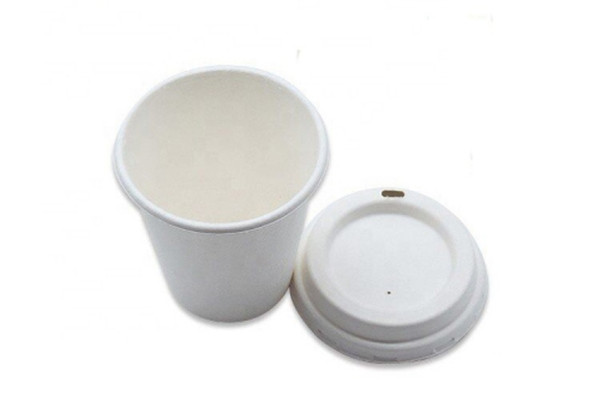 Plastic cups are made from fossil fuels
Disposable plastic
cups are made from synthetic materials derived from fossil fuels. The processes used to make them increase the demand for petroleum products and thus perpetuate our dependence on these non-renewable resources. Packaging made from petroleum-based materials does not degrade naturally. They remain intact and take up a lot of space in landfills. Over the years, the Environmental Protection Agency has developed a number of regulations regarding the manufacture of plastic and foam containers. Their aim is to limit the amount of toxic materials used to make
food packaging containers. In addition, many countries have launched educational programs to teach children and adults about the benefits of recycling and how it can help the environment.
Disposable plastics contain harmful chemicals
The manufacture of foam and plastic products may include the use of plasticizers (chemical softeners), benzene, styrene and bisphenol A, all of which are toxic to human health and wildlife. While environmental regulations have reduced the number of toxic ingredients used in the process, the fact remains that chemicals in use today pose entirely new hazards to the environment and consumers who use the products. These chemicals and ingredients used in plastic manufacturing are non-biodegradable and potentially harmful to the environment.
Finally, many consumers are not aware that putting acidic food in polystyrene containers or reheating food in them (for example, in a microwave oven) can cause these chemicals to leach into food.?
High recycling cost
The use of polystyrene packaging in the fast food industry is declining significantly, mainly because of its inability to recycle and its public stigma. Cleaning and then recycling or re-using containers is not economically feasible, in part because they cannot withstand the high temperatures required for disinfection. In addition, the energy required to transport and recycle some plastics often exceeds the cost of making products that contain native plastic materials, so many plastics cannot be recycled. This results in millions of food packaging containers being sent to landfills each year.
Reducing the negative effects of plastic and foam containers can be achieved by replacing them with more environmentally friendly options made from renewable sources. While these types of containers may cost slightly more, they are better suited to the environment and reduce people's risk of exposure to toxic chemicals and waste. For example, use
disposable biodegradable cups and lids instead of
disposable plastic cups with lids. Hyde Corporation is a professional supplier of biodegradable tableware. The company selects high-quality raw materials to provide customers with green products. When you want to do your part to help protect the planet, Hyde can be your partner.
John Dickson
Paper products developer
Focus on developing paper product research solutions and analysis reports
Click to contact me

 Paper Package
 Paper Package
 Biodegradable Tableware


 4251
4251 11
11



 (Saudi Arabia) Submit Demand 45 Minutes Ago
 (Australia) Submit Demand 25 Minutes Ago
 (United Kingdom) Submit Demand 36 Minutes Ago
 (Sweden) Submit Demand 15 Minutes Ago